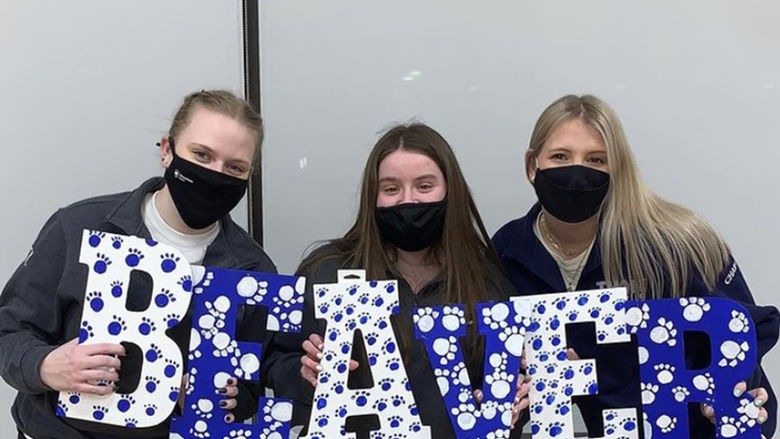
Penn State Beaver THON dancers, from left, Allyson Pinchot, Samantha Freed and Marissa King show their spirit during the annual THON weekend. This year, due to COVID-19 restrictions, the women danced in the Penn State Beaver Student Union Building Lodge.
Penn State Beaver THON dancers and supporters get ready for the weekend of dancing to begin. Dancers for the campus are Samantha Freed, Marissa King and Allyson Pinchot. They will be dancing in the Lodge on Penn State Beaver's campus.
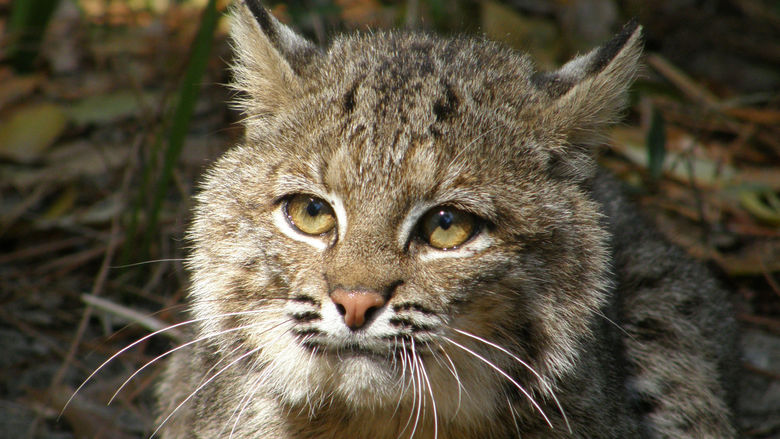
The research showed that without any human intervention to restore the loss of genetic diversity in the bobcat population on Cumberland Island — perhaps by introducing a bobcat from the mainland every four or five years — the animals will likely disappear from the island over time.
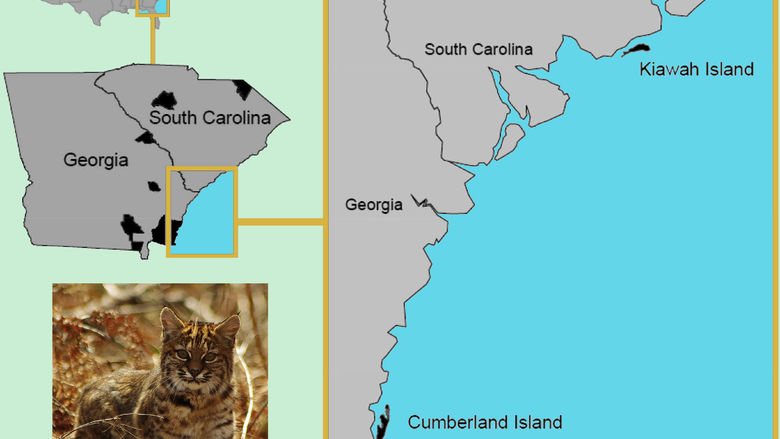
The researchers also assessed the bobcat population on Kiawah Island, off the coast of South Carolina. They determined that, unlike Cumberland Island, bobcats do occasionally travel on and off Kiawah, likely over a bridge for vehicles.
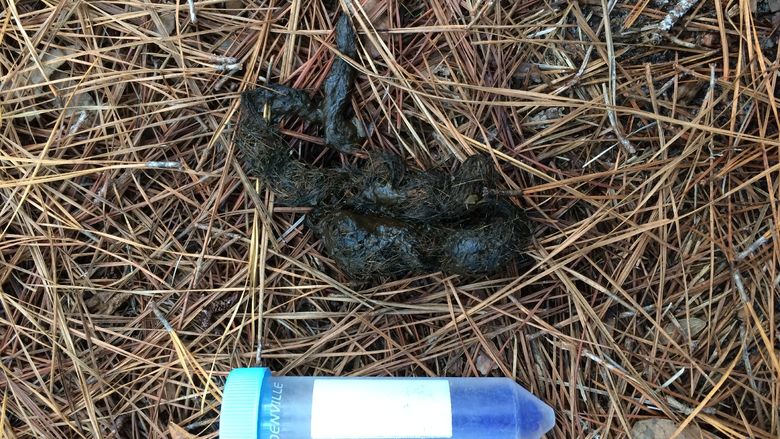
Since the 1989 bobcat release, researchers have returned to the island many times to collect bobcat scat like this from which to extract DNA to monitor the population’s genetic health.
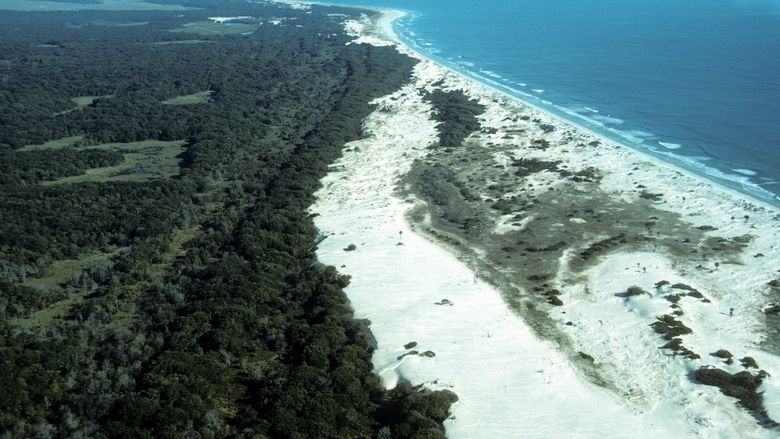
There are now 24 bobcats on Cumberland Island, a barrier island off the coast of Georgia, which is separated from the mainland by open water that prevents bobcats from the mainland from immigrating.
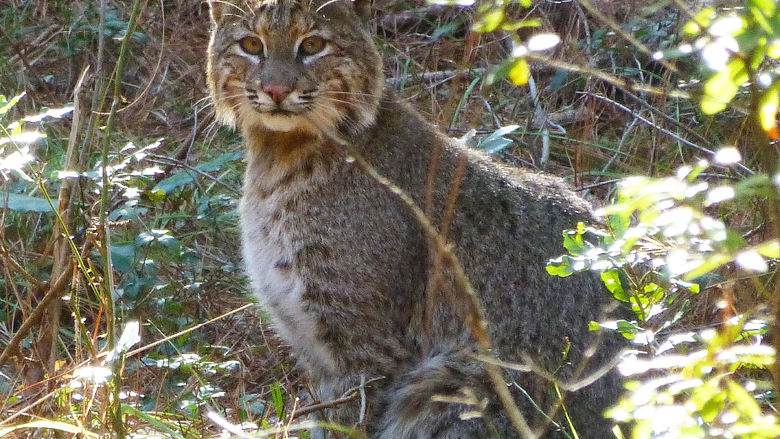
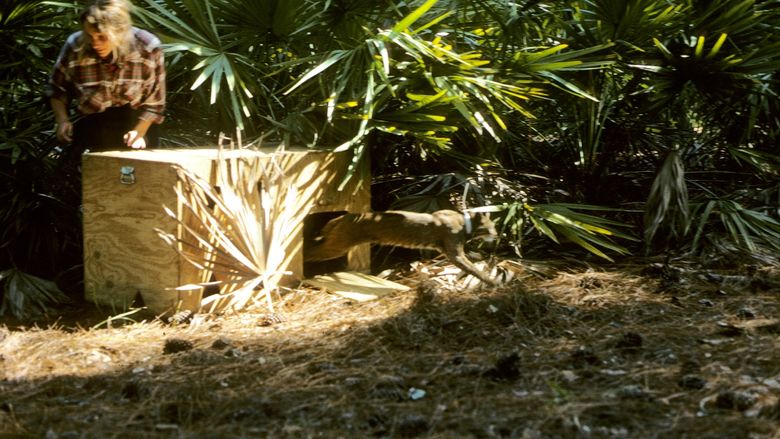
As a doctoral candidate at the University of Georgia in 1989, Duane Diefenbach — now an adjunct professor of wildlife ecology at Penn State — reintroduced 32 bobcats captured on the Georgia mainland to Cumberland Island. This photo he took back then shows one of the wild felines streaking to freedom in its new home.
Penn State researchers, who continue to monitor the bobcat population on Cumberland Island National Seashore, also conducted a study comparing and contrasting the Cumberland Island bobcats to a population of bobcats on Kiawah Island off the coast of South Carolina.